
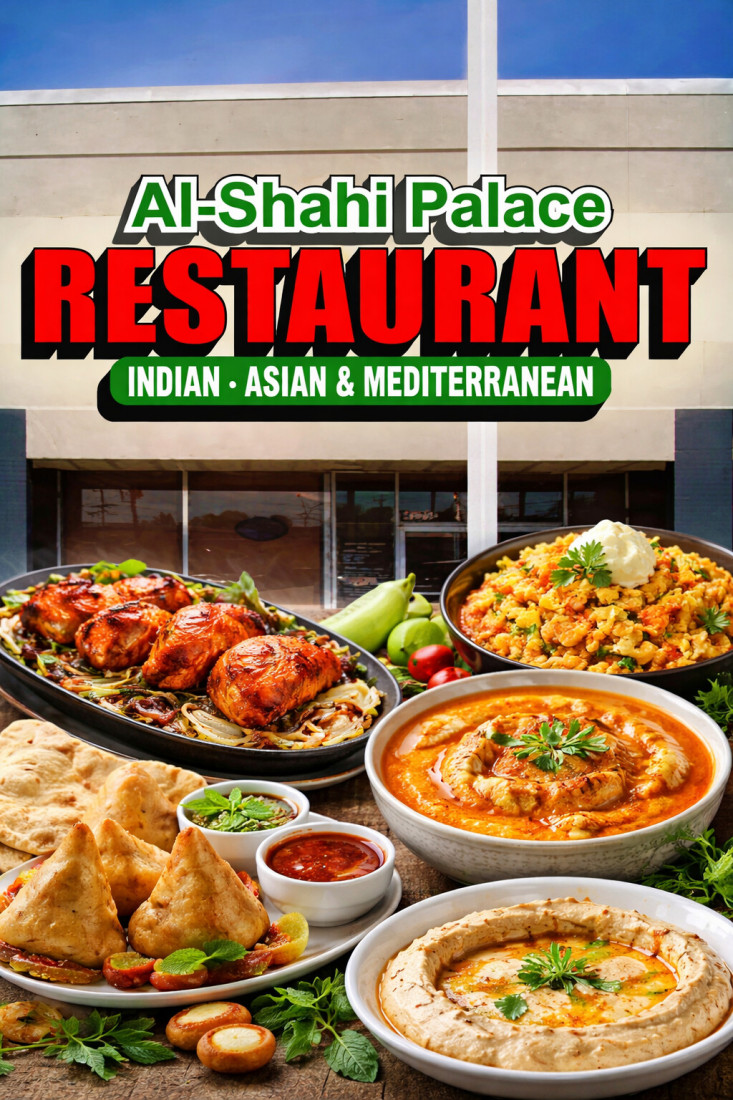
How to Identify Authentic Halal Restaurants
With the growing popularity of halal food worldwide, many restaurants now label themselves as “halal.” However, not all claims reflect true halal practices. For Muslim consumers—and even non-Muslims who value ethical and clean eating—knowing how to identify an authentic halal restaurant is essential.
The first and most reliable indicator is halal certification. Authentic halal restaurants usually display certificates issued by recognized halal authorities. These certifications confirm that ingredients, meat sourcing, storage, and preparation processes comply with halal standards. Always check whether the certificate is valid and from a trusted organization.
Another important factor is the source of meat and ingredients. Genuine halal restaurants procure meat from certified halal suppliers and avoid prohibited items such as pork, alcohol, and non-halal animal by-products. You can confidently ask the staff about their meat suppliers—authentic restaurants are transparent and happy to explain.
Kitchen practices and hygiene also play a vital role. In a true halal restaurant, halal food is prepared separately from non-halal items to prevent cross-contamination. Utensils, cutting boards, storage areas, and cooking oil should be dedicated exclusively to halal food. Cleanliness and order in the kitchen often reflect the restaurant’s commitment to halal principles.
The menu itself offers clues. Authentic halal restaurants clearly mention halal status and avoid dishes that traditionally require alcohol or non-halal ingredients, or they offer halal alternatives. If alcohol is served, many halal-conscious diners consider this a warning sign unless strict separation is maintained.
Staff knowledge is another key indicator. Employees in authentic halal restaurants are usually well-informed about halal requirements and can confidently answer questions about food preparation, ingredients, and sourcing. Unclear or evasive answers may indicate weak halal compliance.
Finally, community reputation and reviews matter. Local Muslim communities, online reviews, and word-of-mouth recommendations are valuable resources. Restaurants trusted by the community over time are more likely to maintain authentic halal standards.
In conclusion, identifying an authentic halal restaurant requires attention to certification, sourcing, kitchen practices, menu transparency, and staff awareness. By choosing genuinely halal establishments, diners can enjoy their meals with confidence, knowing their food meets religious, ethical, and quality expectations.


