
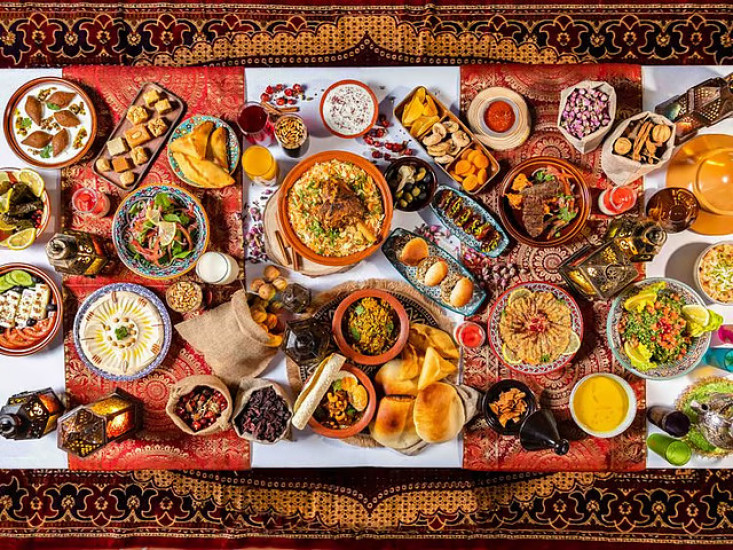
Ramadhan Iftar A Time of Faith, Gratitude, and Togetherness
Ramadhan Iftar is one of the most cherished moments of the holy month of Ramadhan. It marks the breaking of the fast at sunset after a full day of patience, self-discipline, and devotion. More than just a meal, Iftar is a spiritual and social tradition that brings families, friends, and communities together in an atmosphere of gratitude and unity.
The fast is traditionally broken with dates and water, following the Sunnah of the Prophet Muhammad (peace be upon him). Dates provide instant energy, while water refreshes the body after long hours without food or drink. After this simple beginning, Muslims perform the Maghrib prayer and then enjoy a variety of dishes that reflect local cultures and family traditions. From light snacks and fruits to hearty meals, every Iftar table tells a story of heritage and care.
Iftar also carries a deep spiritual meaning. It is a moment when prayers are readily accepted, and believers take time to thank Allah for His blessings. Sharing food reminds Muslims of those who are less fortunate, encouraging generosity and compassion. Many people arrange community Iftar programs, donate food, or invite neighbors and the needy to join them, strengthening social bonds and promoting kindness.
In many households, Iftar preparation becomes a family activity. The aroma of freshly cooked food, the sound of the Adhan at sunset, and the shared anticipation create a sense of peace and happiness. These daily moments help families reconnect despite busy routines and reinforce the true spirit of Ramadhan.
Beyond nourishment, Ramadhan Iftar teaches moderation, empathy, and gratitude. It reminds believers to appreciate simple blessings, control desires, and focus on spiritual growth. Whether enjoyed at home, in mosques, or in community gatherings, Iftar remains a beautiful symbol of faith, unity, and compassion throughout the blessed month of Ramadhan.


